
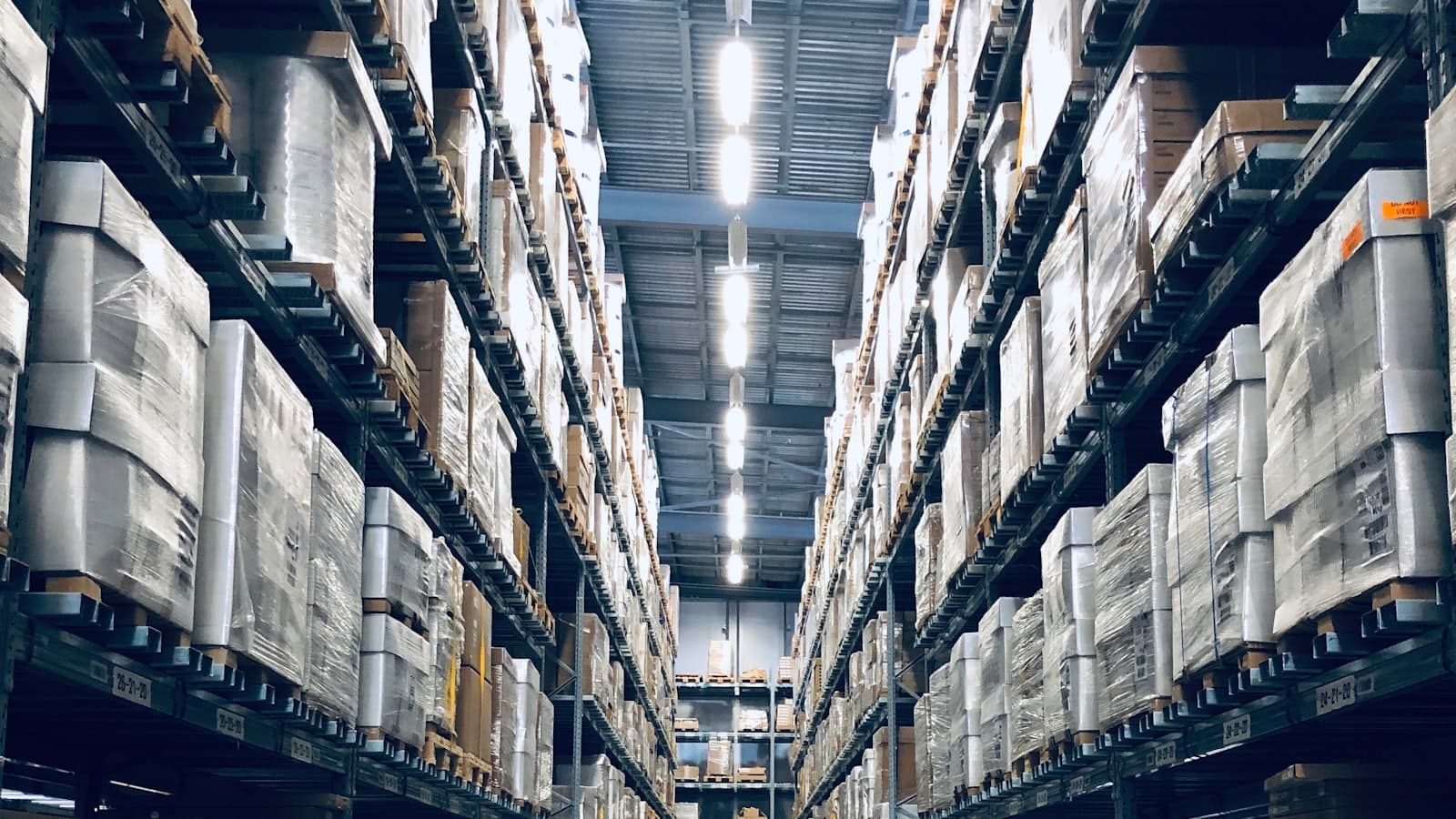
Pickup and freight: who arranges it, who pays for it
Or email the buying desk: seth@sjwholesalellc.com
How a collection runs
Four moves, in this order, on every lot we collect. The freight changes with the size of the lot. The sequence does not.
- 1
Confirm the site.
Dock hours, elevator booking rules, height and weight limits, and a name and mobile number for someone who will be on site. This is the step that decides whether the truck can load when it gets there.
- 2
Book the carrier.
We book third-party carriers. We do not operate our own trucks. You get the carrier name, the truck type and the arrival window before the day, not on it.
- 3
Load and sign.
The pallets go on the truck. The carrier we book raises the bill of lading, you sign it at the dock, and you keep a copy.
- 4
Receive and report.
The lot is counted at our New Jersey receiving location against the list you sent, and you get the written receiving report before any money moves.
Who arranges what
A collection is seven or eight small jobs, and every dispute in this industry starts with one of them being nobody’s. Here is the whole list, and who carries each one.
| Task | Who arranges it | What we need from you |
|---|---|---|
| Booking the carrier | Us. We book a third-party carrier and pass you the name and the arrival window. | The pickup address, the dock hours, and a name and number for the day. |
| The vehicle that arrives | A contracted carrier’s truck. We do not operate vehicles of our own. | Nothing. We tell you what is coming before the day. |
| Pallets, wrap and boxes | Us. We supply the pallets and the shrink wrap at no cost to you. | Tell us early if the site has no pallets and no way to get them. |
| Liftgate, where there is no dock | Us, and it is not charged to you. Say early that there is no dock. | Tell us whether there is a dock, a ramp, or a street-level door. |
| Getting the pallets onto the truck | The carrier's driver, with the pallet jack or forklift on site where the building has one. | Access to the room or the dock, and any elevator booking the building requires. |
| Bill of lading and transit paperwork | The carrier we book raises it. | A signature at the dock, and a copy of the paperwork kept on your side. |
| Cover while the lot is in transit | Cargo cover rides on every collection. The limit is confirmed in writing for your job. | Read the terms before the truck is booked, not after. |
| Who carries the loss on the road | We do. Title and risk pass to us at collection. | Nothing. Once the truck is loaded and signed for, it is our problem. |
Two rows in that table name the carrier rather than us, and that is deliberate. We book carriers, we do not run a fleet, and telling you otherwise on the page you use to plan a dock day would be the wrong place to be vague. Every answer above is repeated in the offer document for your specific lot.
Who pays for the freight
Two things are separate here, and mixing them is how sellers get surprised. There is never a fee to you for the pickup itself: we are the buyer, not a removal service, and a removal service is the thing we are the alternative to. The freight cost is a different line.
On lots of 100 units or more we cover the freight. Below that we agree who pays before you commit, based on the distance. A lot at or above 100 units carries its own freight cost comfortably, and below that the distance decides it. Whatever the answer is for your lot, it is written into the offer alongside the price, so the figure you accept is the figure that reaches you. Payment terms, settlement and insurance are set out here, and the sequence the whole deal runs in is on the how it works page.
Pallets, packaging and staging a lot
None of this is a requirement. A lot stacked on a storeroom floor is still a lot we will buy, and we bring the pallets and the wrap. It is here because a well staged pallet loads in minutes, and a bad one turns a dock slot into an afternoon.
Goes on the pallet
- Laptops and tablets boxed or trayed, not loose. Screens crack in transit.
- One category per pallet where you can manage it. Counting is faster when they are separated.
- Pallets under standard height, shrink wrapped, stable enough for a pallet jack.
- A label on each pallet naming what is on it and the line of your list it matches.
- Monitors face to face in pairs, on their original foam where you still have it.
- Rails, caddies, bezels and power supplies that belong to a chassis, travelling with that chassis.
Leave it off the pallet
- Chargers, cables, headphones and accessories. We do not buy them.
- Networking gear, switches and routers. Those are not a category we buy.
- Empty cabinets, power distribution strips and UPS units. They stay with the building.
- Swollen or split battery cells. Pull them before the pallet is wrapped.
- Drives you have decided to keep. Pull them first and note it on the list.
- Anything not on the list that you have not told us about.
Pull swollen or split cells before the pallet is wrapped and set them aside for battery recycling. The device still comes with the lot. The damaged cell does not travel with it. If the drives are staying with you, pull them before the pallets are wrapped and note it on the list. Our data handling page sets out the three options and what we can and cannot certify.
Docks, liftgates and buildings that have neither
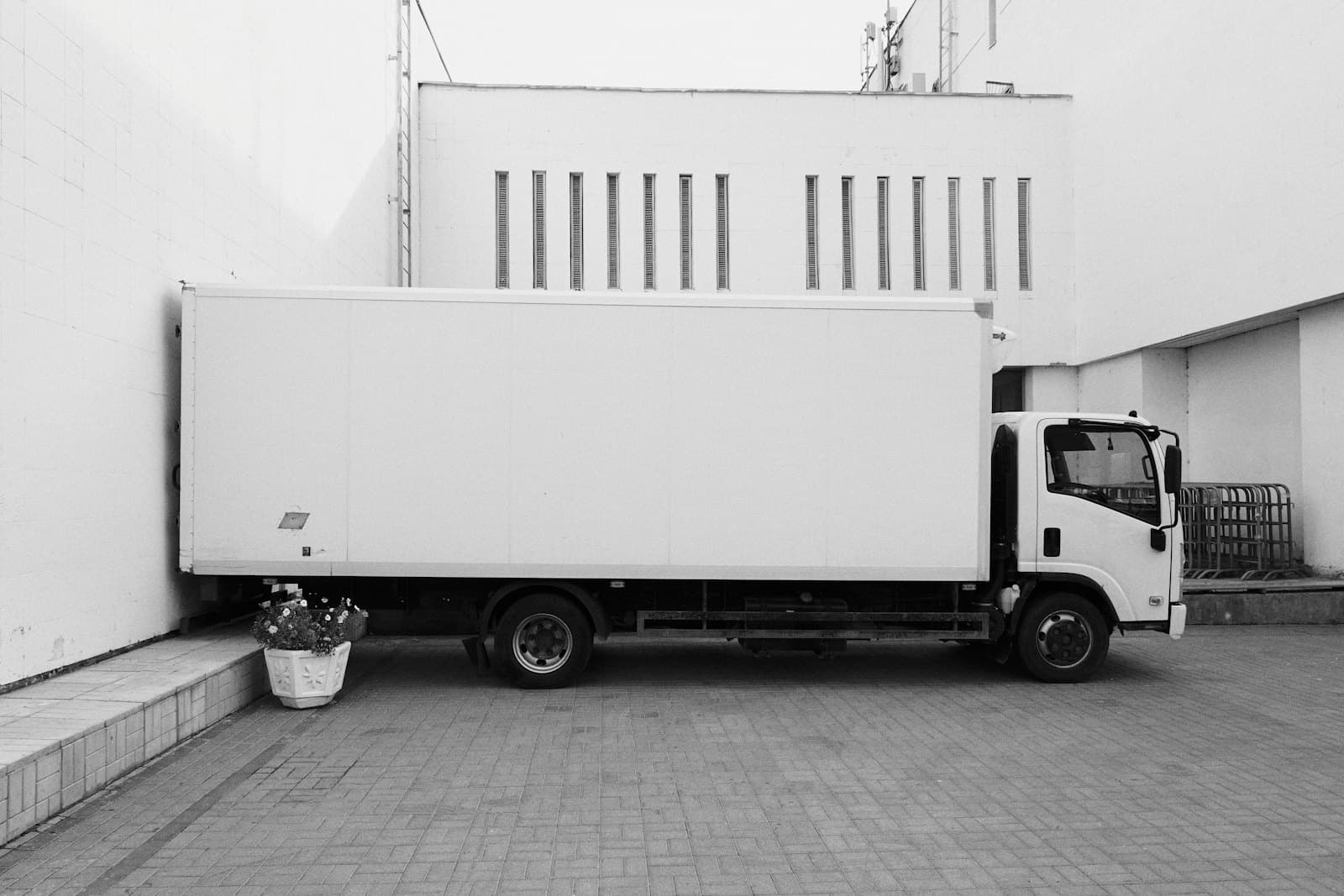
Most collections that go wrong go wrong at the building, not on the road. A trailer that arrives at a street-level door with no liftgate cannot load, and a truck that arrives outside the dock window waits or leaves. Where there is no dock we book a liftgate truck, and the liftgate is not charged to you. What we need from you is the detail: the dock hours, the elevator booking rules, the height and weight limits, and whether a certificate of insurance naming building management is required before anyone can bring equipment in.
The carrier we book issues the certificate of insurance. Your organization can be named as certificate holder on it, and your building manager can be named alongside you. Ask for it early rather than the week of the pickup, because it is the single item most likely to move a date.
Give us a name and a mobile number for someone who will be on site, not a general reception line. If the building is being handed back on a fixed date, see how we work backwards from a lease-end date. If the room is racked, see how we handle a rack room.
International collections and export
We buy worldwide and we transact internationally. The freight leaves from your building and runs to a trade buyer, so there is no branch network behind this and we do not pretend there is. These are the regions we collect from.
- United States and Canada
- Latin America
- Western and Eastern Europe
- Middle East
- West and East Africa
- South and Southeast Asia
- Australia and New Zealand
International lots are bought Ex Works at your building. We take the goods from your dock and carry the freight, the customs entry and the export filing from that point. SJ Wholesale LLC, or the freight forwarder we appoint for that shipment acts as exporter of record. Tell us the country, the nearest port or airport, whether the goods are already palletized, and who currently holds them. The route and the paperwork change the price, so they are settled before the offer is final, not after.
We resell into a wholesale and export channel, so some of what we buy leaves the country after we own it. That is a fair thing to ask about before you sell, and we explain where equipment goes and what the export rules require. If you handle recurring international volume rather than a one-off clearance, the counterparty terms are on the liquidators page.
Lead times and booking a date
Work backwards from the date the space has to be clear. The list and the offer come first, the freight booking follows the accepted offer, and the building usually needs more notice than the carrier does.
3 to 4 weeks before your date
Send the list. This is the comfortable point, not the deadline. It leaves room for the building to approve a dock slot, which is usually the slowest part.
24 hours
From your list to a written offer, priced on the whole lot, against current market conditions. The offer stands 7 days.
3 to 5 business days
From an accepted offer to a truck at your dock. That is the carrier booking, not the building approval.
As short as 48 hours
Where the date is hard and the lot is already staged. Say the date in your first message and you get a straight yes or no against it.
3 to 5 business days
Settlement by ACH or wire transfer, measured from verified receipt.
Time-sensitive collections are normal here rather than an exception. Say the date in your first message and you get a straight yes or no against it. Start with what we buy, or send the list below.
Common questions
- Does the pickup cost us anything?
- No. We never charge you to collect a lot. On lots of 100 units or more we cover the freight. Below that we agree who pays before you commit, based on the distance. Whichever way it falls, it is named in the offer before you agree to anything.
- Do you need a loading dock?
- No. Where the building has no dock we book a liftgate truck, and the liftgate is not charged to you. Tell us whether you have a dock, a ramp or a street-level door, and whether a forklift or a pallet jack is available on site, because all three change the truck we book.
- Who supplies the pallets and the shrink wrap?
- We do, at no cost to you. Say so when you send the list if the units are still loose in a storeroom and nobody on site can palletize them, because it changes what we book and how long the truck is at your dock.
- Can you collect from more than one site?
- Yes. Send the list broken out by site, with an address and a dock contact against each one. A multi-site clearance is priced as one lot, and the collections are scheduled separately.
- Do you collect outside the United States?
- Yes. We buy worldwide and transact internationally. International lots are bought Ex Works at your building: we take the goods from your building and carry the freight and the export paperwork from there. Tell us the country, the nearest port or airport, and whether the goods are already palletized.
- How much notice do you need for a pickup date?
- 3 to 5 business days between an accepted offer and a truck at your dock, and as little as 48 hours where the date is hard and the lot is already staged. The building usually needs more notice than the carrier does, so start with the dock booking rules. If you are working to a fixed date, say the date in your first message and we will tell you plainly whether we can hit it.
- Do you pull the servers out of the racks?
- Your team de-racks ahead of the window, or the units come out of the cabinets on the collection day with your facilities team present. We do not supply de-racking labor. Racked equipment can travel racked or de-racked. Tell us which before the truck is booked, because a full cabinet and a stack of pallets are different freight.
Send a list, get an offer
Send a list. We come back inside 24 hours with a written offer.
Get an offer
Send the list and the pickup address. We come back inside 24 hours.